
The Allure of Gambling: Understanding the Attraction
The psychology of casino games reveals a complex interplay of emotions and cognitive processes that draw players in. Many individuals are attracted to the thrill of chance and the possibility of winning big, which provides an escape from the rigors of daily life. The excitement that accompanies gambling creates a rush of adrenaline, leading players to seek out more experiences, such as online slot machines, in the hopes of replicating that initial high.
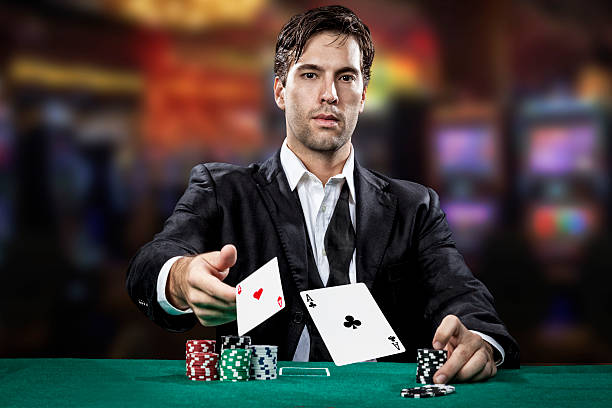
This attraction is often heightened by the atmosphere of a casino, which is designed to be visually stimulating and immersive. The sounds of winning, flashing lights, and a vibrant social environment all contribute to creating a compelling experience that encourages prolonged engagement. As a result, players often find it difficult to resist the urge to return, even after experiencing losses.
The Role of Cognitive Biases in Gambling
Cognitive biases play a significant role in the decisions and behaviors of gamblers. One prevalent bias is the illusion of control, where players believe they can influence the outcome of games of chance through skill or strategy. This misconception can lead to persistent gambling behavior, as individuals feel empowered by their choices, even in situations governed by luck.
Additionally, the concept of the gambler’s fallacy reinforces the belief that past results influence future outcomes. Gamblers may think that if a particular number hasn’t come up in a while, it is “due” to appear soon. This flawed reasoning can lead to increased wagers and continued play, further complicating the psychological landscape of gambling.
The Emotional Rollercoaster of Winning and Losing
The emotional highs and lows associated with gambling can create a captivating cycle for players. Winning brings about feelings of joy and euphoria, reinforcing the behavior and encouraging further play. Conversely, losing can trigger a sense of frustration or disappointment, which some individuals may try to counteract by continuing to gamble in hopes of recapturing their previous success.
These emotional responses are often amplified by the phenomenon of near misses, where players come close to winning but ultimately do not. These situations can spark a sense of hope and determination, compelling players to keep trying. This tricky balance between wins and losses creates an addictive cycle where the psychological desire to win often overshadows the practicality of losing.
The Social Aspects of Casino Gaming
The social environment within casinos plays a pivotal role in influencing gambling behavior. Many players engage in casino games not only for the thrill of the gamble but also for the camaraderie and social interaction that comes with it. The presence of others who are also enjoying the experience can enhance excitement and create a sense of belonging.
Moreover, social pressure can also impact gambling choices. Group dynamics may encourage individuals to bet more than they normally would, or to stay longer than they initially planned. This interplay of social reinforcement and shared experiences can significantly amplify the desire to return to the gaming floor time and again.

Fostering a Secure Gambling Environment
In light of the psychological complexity behind casino gaming, it is essential for operators to foster a safe and secure environment for players. By prioritizing the safety of users, casinos can create a space where individuals can enjoy their experience without the fear of online security breaches. Advanced security measures help protect personal data and financial transactions, allowing players to engage in their favorite games with peace of mind.
Furthermore, platforms dedicated to responsible gaming often provide resources and support for those who might struggle with gambling addiction. By offering clear guidance and assistance, these services not only enhance the overall player experience but also contribute to a healthier approach to gambling, ensuring that enjoyment remains the primary focus.