
The psychology of gambling Understanding the mind behind the bets at Le Fisherman game
The allure of gambling psychology
The psychology of gambling is an intriguing field that explores why individuals engage in betting behaviors, often despite potential losses. The allure of games like Le Fisherman stems from various psychological triggers, such as the thrill of uncertainty and the promise of potential rewards. This excitement can be particularly amplified in low-volatility games, where players experience frequent, albeit smaller, wins that reinforce their desire to play. For those interested in exploring more about this captivating world, consider visiting https://lefisherman-ca.com/. These small victories create a compelling feedback loop, encouraging players to continue their gaming journey.

Moreover, cognitive biases play a significant role in gambling behavior. Players often fall victim to the illusion of control, believing they can influence the outcomes of games based on previous experiences or strategies. This belief can lead players to make irrational decisions, further driving their engagement with games like Le Fisherman. Understanding these psychological factors can help players approach gambling more responsibly, recognizing the impact of their mental frameworks on their betting habits.
Additionally, the social environment surrounding gambling can enhance its psychological appeal. Whether it’s the ambiance of a casino or the camaraderie shared in online gaming communities, social interactions significantly influence player experiences. Engaging with others often enhances the fun, making wins feel more rewarding and losses less discouraging. Games like Le Fisherman capitalize on this by providing features that encourage social sharing and competition, making the experience even more engaging.
Understanding risk and reward
At its core, gambling revolves around the concepts of risk and reward. Players are drawn to the possibility of winning big, often overlooking the inherent risks involved. In games like Le Fisherman, the potential to win up to 15,000 times one’s stake serves as a tantalizing incentive. This high reward-to-risk ratio can attract both casual and seasoned players, enticing them to take that leap of faith with their bets.
The psychology of risk perception also plays a crucial role in gambling behavior. Different individuals assess risk differently based on their experiences, personality traits, and emotional states. For instance, a player who has recently had a string of wins may feel emboldened to bet larger amounts, convinced that their luck will continue. Conversely, a player who has faced recent losses might hesitate, grappling with feelings of doubt or anxiety. Recognizing these varying perceptions of risk can provide insight into why some players are more inclined to take chances than others.
Furthermore, the structure of the game can influence risk-taking behaviors. Le Fisherman’s design, with its cluster pays and unique features like Golden Squares, creates an engaging environment that encourages players to experiment with their betting strategies. This interactive element can lead to more adventurous betting patterns, as players test their boundaries while seeking out the thrill of higher stakes. Understanding how game mechanics impact risk perception allows players to make more informed choices in their gaming experience.
The role of reinforcement in gaming
Reinforcement is a fundamental concept in behavioral psychology and is particularly relevant in the context of gambling. In games like Le Fisherman, players receive positive reinforcement through wins, which can condition them to continue betting. The game’s frequent small wins provide immediate gratification, creating a sense of accomplishment that keeps players engaged. This form of reinforcement can be powerful, as it solidifies the habit of playing, making it difficult to break away even after experiencing losses.
In addition to positive reinforcement, the element of variable reinforcement further enhances player engagement. With this schedule, players may not know when they will win, making the experience more unpredictable and exciting. The anticipation of a potential win can lead to increased emotional investment, which is a crucial aspect of gambling psychology. This uncertainty drives players back to the game, hoping to strike it lucky on their next bet.
Moreover, understanding the implications of reinforcement can empower players to develop healthier gaming habits. By being aware of the mechanics that encourage continued play, individuals can establish boundaries for themselves, ensuring that their gaming remains enjoyable rather than compulsive. Recognizing the power of reinforcement allows players to actively manage their experiences, promoting a more balanced approach to gambling.
Strategies for responsible gambling
Given the psychological complexities of gambling, it’s essential for players to adopt strategies that promote responsible gaming. One effective method is setting clear limits before engaging with games like Le Fisherman. This involves determining an acceptable budget for betting, as well as establishing time limits for gameplay. By creating these boundaries, players can maintain control over their gambling habits and reduce the risk of developing unhealthy behaviors.
Another key strategy is self-awareness. Understanding one’s motivations for playing can help individuals identify when their gambling habits may be leaning toward compulsiveness. Reflecting on emotions, triggers, and even wins and losses can provide insight into one’s relationship with gambling. By being mindful of these factors, players can make more informed decisions and ensure that their gaming experience remains enjoyable and entertaining.
Lastly, seeking social support can play a crucial role in maintaining responsible gambling habits. Sharing experiences with friends or participating in responsible gaming programs can provide valuable perspectives and foster a sense of accountability. Engaging with a supportive community can make a significant difference, helping players navigate the psychological challenges associated with gambling while ensuring a focus on fun and enjoyment.
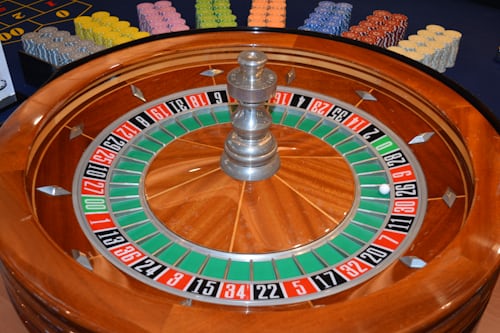
Explore the world of Le Fisherman
For those intrigued by the fascinating psychology of gambling, diving into games like Le Fisherman offers a captivating exploration of both the mind and the mechanics of betting. This unique slot game combines engaging features, low volatility, and a vibrant setting that appeals to a wide audience of players. By understanding the psychological factors at play, individuals can enrich their gaming experience, balancing thrill with responsibility.
Exploring Le Fisherman not only reveals the potential for substantial rewards but also highlights the intricate interplay between psychology and gaming. The game’s mechanics, such as cluster pays and the innovative free spins modes, contribute to a dynamic environment that reflects the psychological engagement players seek. As players venture into this world, they can appreciate the balance between entertainment and the awareness of their decision-making processes.
Ultimately, recognizing the psychology behind gambling can empower players to make informed choices, enhancing their enjoyment and promoting a healthier relationship with gaming. Whether you’re a casual player or a seasoned enthusiast, understanding the mind behind the bets adds depth to your gaming experience, making it both thrilling and responsible.